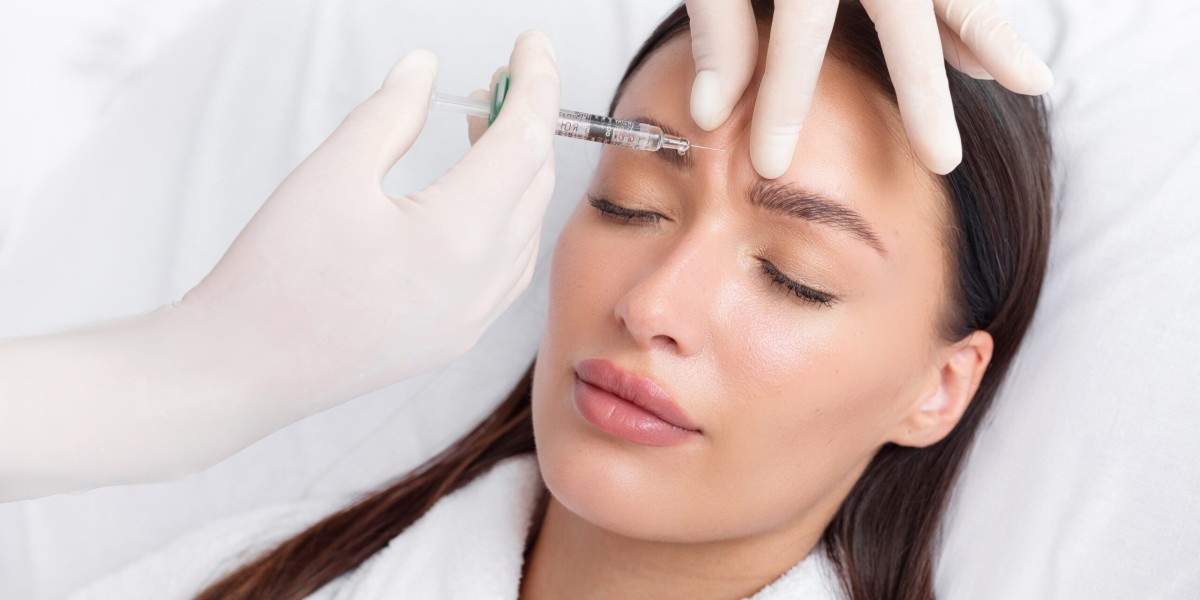

Facial expressions are an important part of communication, but repeated muscle movement can gradually contribute to the appearance of dynamic lines. As people become more aware of these changes, anti-wrinkle injections have become a popular aesthetic treatment for selected areas of the face.
For those considering Botox in London, one of the most common questions is which areas can actually be treated. Botox is not intended to be used in the same way across the entire face. Treatment is carefully planned around facial anatomy, muscle movement and the individual's aesthetic goals.
A consultation with an appropriately qualified practitioner allows the face to be assessed before treatment. This helps determine which areas may benefit from Botox and how treatment can be tailored to maintain an appropriate facial balance.
This guide explores the facial areas commonly treated with Botox, how each area is approached and what you should know when considering Botox Injections In London.
What Is Botox?
Botox is a brand name commonly associated with botulinum toxin type A, which is used in aesthetic medicine to temporarily reduce the activity of selected muscles.
When injected into specific facial muscles, Botox can reduce repeated contractions responsible for certain dynamic lines. As muscle movement is temporarily reduced, the appearance of some expression lines may become softer.
The treatment is different from dermal fillers. Fillers are generally used to add volume or enhance contours, whereas Botox works primarily by influencing muscle activity.
How Does Botox Work on Facial Lines?
Dynamic facial lines develop or become more noticeable through repeated muscle movement. Expressions such as frowning, raising the eyebrows and smiling involve repeated contraction of facial muscles.
Botox is injected into selected muscles in carefully determined locations. By temporarily reducing muscle activity, it can soften the appearance of lines associated with those movements.
The amount and placement of treatment vary according to individual facial anatomy and muscle strength. There is no single injection pattern that is appropriate for everyone.
Which Areas Can Be Treated With Botox?
Several facial areas may be considered for Botox treatment. The most commonly discussed areas include the forehead, glabella or frown lines, and the outer corners of the eyes.
Depending on the practitioner's assessment and the patient's goals, other areas may also be considered for specific aesthetic purposes.
The exact areas treated should always be determined following a professional consultation.
Forehead Lines
Forehead lines are horizontal lines that become visible when the forehead muscle contracts, particularly when raising the eyebrows.
Botox may be used to temporarily reduce the activity of the muscles responsible for these movements. This can soften the appearance of forehead lines while allowing the practitioner to consider the patient's natural eyebrow position and facial expressions.
Treatment of the forehead needs to be planned carefully because the forehead muscles are closely connected with eyebrow movement.
A practitioner will therefore assess the forehead and surrounding areas rather than treating the lines in isolation.
Frown Lines Between the Eyebrows
Frown lines, sometimes called glabellar lines, appear between the eyebrows and can become particularly visible when someone frowns or concentrates.
This is one of the most established areas for Botox treatment.
Botox can be strategically administered into the muscles responsible for the frowning movement. By temporarily reducing their activity, the appearance of vertical lines between the eyebrows may be softened.
The treatment plan depends on individual muscle strength and the natural movement of the eyebrows.
Crow's Feet Around the Eyes
Crow's feet are fine lines that develop around the outer corners of the eyes. They commonly become more noticeable when smiling or squinting.
Botox may be considered for this area because the lines are associated with repeated movement of the muscles surrounding the eyes.
The treatment requires precise placement and an understanding of the delicate anatomy around the eye region.
During consultation, the practitioner can assess the degree of movement and determine whether Botox is appropriate for the specific concern.
Eyebrow Area
Botox can sometimes be incorporated into treatment plans involving the eyebrow region.
Rather than simply treating a visible line, a practitioner may consider how different facial muscles influence eyebrow position and shape.
Small adjustments in muscle activity can influence the appearance of the upper face. Therefore, treatment must be individually planned to complement the patient's existing facial structure.
Bunny Lines on the Nose
Some people develop small horizontal lines across the sides of the nose when making certain facial expressions. These are often referred to as bunny lines.
In selected cases, Botox may be considered to reduce the muscle activity contributing to these lines.
This is a more specific treatment area and is not necessarily required for every patient. The practitioner will assess the movement and determine whether treatment is appropriate.
Lip Lines
Fine vertical lines around the lips can become more noticeable with repeated movement and natural changes in the skin.
In selected cases, Botox may be used in the muscles around the mouth for specific aesthetic purposes.
However, the mouth is a highly active area, so treatment needs to be carefully planned. The objective is generally to address the specific concern while considering normal facial movement.
A consultation is important to determine whether Botox is suitable or whether another treatment option may be more appropriate.
Chin Lines
The chin can develop a dimpled or uneven appearance when the underlying chin muscle contracts.
Botox may be considered for selected patients where muscle activity contributes to this appearance.
The practitioner assesses the chin and surrounding facial structures before determining the appropriate approach.
Because the chin contributes to the balance of the lower face, treatment should be planned as part of the overall facial assessment.
Jawline and Masseter Area
The muscles around the jaw can also be considered for specific Botox treatments.
For example, some people have prominent masseter muscles that contribute to the width or shape of the lower face. Botox can temporarily reduce activity in these muscles when treatment is considered appropriate.
This approach is different from treating facial lines. The purpose is related to muscle size and facial contour rather than expression lines.
The practitioner will assess the jaw area and determine whether the masseter muscles are contributing significantly to the appearance the patient wants to address.
Neck Area
Botox can also be used in selected cases to address muscle activity in the neck.
The platysma muscles are located in the neck and can become more noticeable during certain movements. In appropriately selected patients, Botox may be considered as part of a treatment plan for specific neck-related aesthetic concerns.
Treatment of the neck requires knowledge of the area's anatomy and should be individually planned.
Gummy Smile
Botox may be considered for some patients who are concerned about excessive gum visibility when smiling.
The treatment involves carefully reducing the activity of selected muscles that contribute to upper-lip movement.
Not every gummy smile has the same underlying cause, so an assessment is required before determining whether Botox is appropriate.
The practitioner can evaluate how the upper lip moves during smiling and discuss available options.
Downturned Corners of the Mouth
Some people notice that the corners of their mouth naturally appear slightly downward.
In selected cases, Botox may be considered to reduce the activity of muscles that pull the corners of the mouth downward.
Treatment needs to be carefully balanced because the mouth is involved in speaking, eating and expressing emotions.
The practitioner can assess the movement around the mouth and determine whether Botox may be suitable.
What Determines Which Areas Should Be Treated?
The treatment areas are determined by several factors rather than simply the location of visible lines.
Your practitioner may consider muscle strength, facial anatomy, skin quality, eyebrow position, existing facial proportions and your aesthetic goals.
For example, two people may have similar forehead lines but require different treatment approaches because their eyebrow movement and forehead muscle activity are different.
This is why personalised treatment planning is important when considering Botox in London.
Why Facial Assessment Matters
A professional facial assessment allows the practitioner to observe your face both at rest and during movement.
You may be asked to raise your eyebrows, frown, smile or make other expressions. These movements allow the practitioner to identify which muscles are contributing to particular lines.
The assessment also helps the practitioner consider how treatment in one area could influence surrounding features.
What Happens During a Botox Consultation?
A Botox consultation typically begins with a discussion about the changes you would like to address.
The practitioner will assess your facial anatomy and muscle movement and may discuss the areas that could be treated.
You can explain whether your preference is for subtle softening of lines or a different degree of change.
The practitioner can then outline a personalised treatment plan and explain the expected development of results.
How Long Does Botox Treatment Take?
Botox appointments are generally relatively short, although the exact duration depends on the number of areas being treated.
A consultation may take additional time because the practitioner needs to assess the face and discuss your treatment goals.
If several areas are being considered, the appointment may take longer than treatment of a single area.
Your clinic can provide an estimated appointment duration when arranging your consultation.
When Do Botox Results Develop?
Botox does not generally produce its full effect immediately after injection.
The effect develops progressively as the targeted muscles respond to the treatment. The timeframe can vary according to the individual and the treatment area.
Your practitioner can explain when you should expect to notice changes and when the result is likely to become more established.
How Long Does Botox Last?
Botox is a temporary treatment, and its effects gradually reduce as muscle activity returns.
The duration varies between individuals and depends on factors such as the treatment area, muscle activity and individual response.
During consultation, your practitioner can provide general guidance about how long the effects may remain noticeable and when maintenance treatment may be considered.
Botox and Natural Facial Movement
A common consideration when having Botox is maintaining an appearance that feels appropriate for the individual.
Treatment can be planned around the patient's preferences regarding facial movement. The amount and location of Botox are determined according to the assessment rather than using a fixed approach.
Discussing your expectations openly with your practitioner can help establish an appropriate treatment plan.
Preparing for Botox Treatment
Before treatment, provide your practitioner with relevant information about medications, supplements, previous aesthetic treatments and your medical history.
Your clinic will provide specific preparation instructions based on your circumstances.
It can also be helpful to plan your schedule around the appointment and ensure you understand the clinic's aftercare recommendations before treatment begins.
What Happens After Botox?
After Botox Injections In London, your practitioner will provide specific aftercare instructions.
The treatment area may take some time to settle, and the effects develop gradually.
Your practitioner can explain when you can return to normal activities and whether any temporary changes to your routine are recommended.
Following the clinic's instructions is an important part of the treatment process.
Choosing a Botox Clinic in London
Selecting an appropriate clinic is an important consideration when researching Best Botox Clinic London options.
A professional clinic should provide an individual consultation rather than recommending identical treatment for every patient.
Bodyvie Clinic provides patients with an opportunity to discuss anti-wrinkle treatment and their individual aesthetic goals.
When comparing clinics, consider the practitioner's qualifications and experience, consultation process, treatment planning and aftercare support.
Should You Treat One Area or Several?
There is no requirement to treat multiple areas simply because Botox can be used in different parts of the face.
Some patients may only want to address one specific concern, such as forehead lines. Others may discuss several areas during their consultation.
The practitioner can assess the face as a whole and determine which areas may be appropriate based on your goals.
A focused treatment plan can help maintain balance between the treated and untreated areas.
Botox Treatment for Different Age Groups
There is no single age at which everyone should consider Botox. Facial movement, skin characteristics and aesthetic concerns differ considerably between individuals.
Some people seek treatment when dynamic lines first become noticeable, while others consider it later as facial changes become more apparent.
The decision should be based on individual circumstances and a professional assessment rather than age alone.
Why Personalised Treatment Is Important
Facial anatomy varies considerably between people. Muscle strength, eyebrow shape, facial proportions and skin characteristics can all influence how Botox should be used.
A personalised approach allows the practitioner to consider these factors when determining treatment areas.
Rather than treating every possible area, the focus should be on the concerns that are relevant to the individual patient.
Conclusion
Botox in London can be used to treat several areas of the face and selected areas of the neck, depending on individual anatomy and aesthetic goals. Common treatment areas include forehead lines, frown lines between the eyebrows and crow's feet around the eyes. Other areas, including the chin, jawline, lips, nose and neck, may also be considered for specific concerns.
The most appropriate treatment areas cannot be determined simply by looking at visible lines. A professional assessment of facial movement, muscle activity and facial proportions is an important part of treatment planning.
If you are considering Botox Injections In London, a consultation with an experienced practitioner can help you understand which areas may be suitable for treatment and what type of approach may match your goals. Choosing an established Best Botox Clinic London, such as Bodyvie Clinic, can also provide access to personalised assessment, treatment planning and aftercare guidance.
FAQs
Which areas are most commonly treated with Botox?
The forehead, frown lines between the eyebrows and crow's feet around the outer corners of the eyes are among the most commonly discussed Botox treatment areas.
Can Botox be used for forehead lines?
Yes. Botox may be used to temporarily reduce muscle activity responsible for certain horizontal forehead lines.
Can Botox treat frown lines?
Yes. Botox is commonly used in the glabellar area between the eyebrows to reduce the muscle activity associated with frown lines.
Can Botox be used for crow's feet?
Yes. Botox can be considered for lines around the outer corners of the eyes that become more visible during smiling or other facial expressions.
Can Botox be used around the mouth?
In selected cases, Botox may be considered for specific concerns around the lips and corners of the mouth. Treatment requires careful assessment because the mouth is involved in many everyday movements.
Can Botox be used for chin lines?
Yes. Selected patients may consider Botox when muscle activity contributes to a dimpled or uneven appearance of the chin.
Can Botox be used along the jawline?
Botox may be considered for the masseter muscles in selected patients where muscle size contributes to the appearance of the lower face.
Can Botox treat neck concerns?
Certain neck-related aesthetic concerns may be addressed with Botox in appropriately selected patients. The treatment requires individual assessment and careful planning.
How long does Botox take to work?
The effects generally develop progressively after treatment rather than appearing immediately. Your practitioner can explain the expected timeline based on the areas treated.
How long do Botox results last?
Botox effects are temporary and gradually wear off as muscle activity returns. The duration varies between individuals and treatment areas.
How do I choose the best Botox clinic in London?
Consider practitioner qualifications and experience, the quality of the consultation, personalised treatment planning and aftercare support when choosing a clinic.
Where can I have Botox in London?
If you are considering Botox in London, you can arrange a consultation with a specialist clinic such as Bodyvie Clinic to discuss your facial concerns and suitable treatment options.