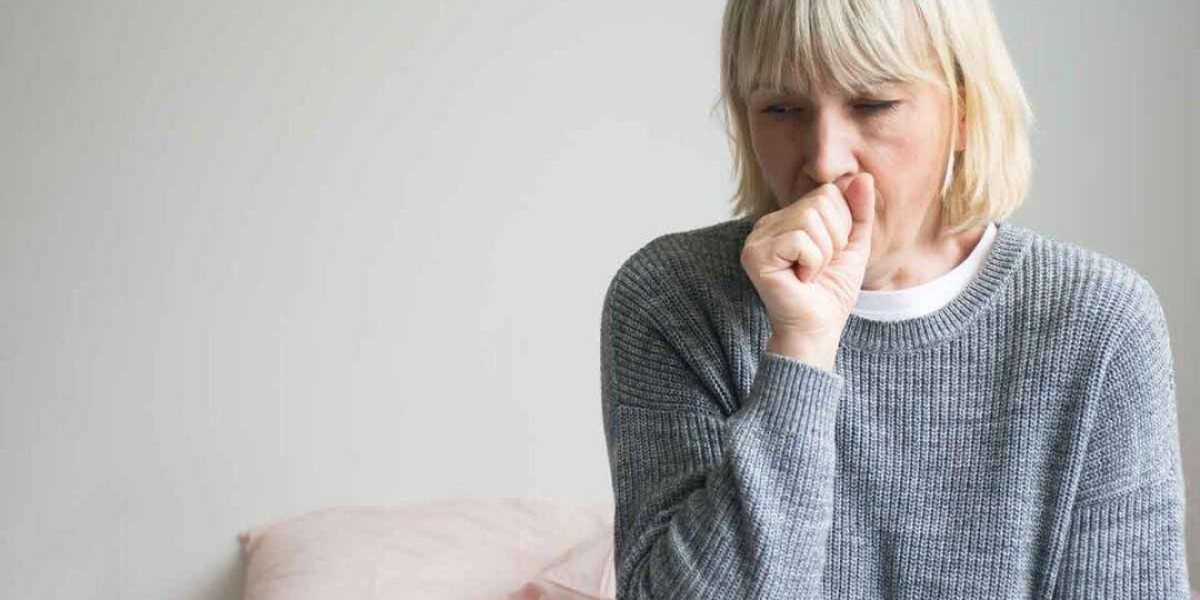

Pneumonia is a respiratory infection that affects the lungs and can cause inflammation of the air sacs. Recovery does not always happen immediately after treatment begins. The time needed to feel better can vary depending on the type of pneumonia, the person's overall health, the severity of the infection, and how the body responds to treatment.
For people searching for information about Pneumonia dubai, understanding the recovery process can make it easier to recognise what typically happens after diagnosis and treatment. Recovery often involves more than simply completing medication. Rest, hydration, nutrition, gradual return to normal activities, and appropriate medical follow-up can all be part of the process.
Dr. Barbara can help patients understand their symptoms, treatment plan, and recovery progress based on their individual circumstances. Knowing what to expect during recovery can also help patients make sensible decisions about returning to work, exercise, and everyday activities.
What Happens During Pneumonia Recovery?
Pneumonia recovery generally occurs gradually. Even when the infection is responding to treatment, symptoms such as tiredness, coughing, and reduced energy may take some time to improve.
The lungs need time to recover from inflammation and clear remaining mucus. As the respiratory system heals, breathing may gradually become more comfortable and daily activities may become easier.
Recovery is not identical for everyone. Some people may begin feeling substantially better within days of starting appropriate treatment, while others may need several weeks before their energy and respiratory symptoms return to their usual level.
The Importance of Following the Treatment Plan
Following the treatment plan provided by a healthcare professional is an important part of pneumonia recovery. Depending on the cause of pneumonia, treatment may involve prescribed medicines, supportive care, or other medical measures.
If antibiotics have been prescribed for bacterial pneumonia, patients should follow the instructions provided by their doctor and complete the course as directed. Antibiotics are not appropriate for every type of pneumonia, so treatment should be based on the suspected or confirmed cause.
Patients should also take medicines according to the recommended schedule rather than changing the dose independently. If symptoms change or questions arise during treatment, speaking with a healthcare professional can provide appropriate guidance.
Rest and Sleep During Recovery
The body uses considerable energy while recovering from an infection. Getting sufficient rest can therefore be an important part of the recovery period.
Patients may notice that ordinary activities feel more tiring than usual. Tasks that were previously easy may require additional breaks. Allowing the body time to recover can help prevent unnecessary exhaustion.
Good-quality sleep can also support general recovery. Maintaining a consistent sleep schedule and creating a comfortable sleeping environment may make it easier to get adequate rest.
As energy levels improve, activity can gradually be increased rather than returning immediately to a full routine.
Staying Hydrated
Adequate fluid intake can be useful during pneumonia recovery. Fluids support normal body functions and can help maintain hydration when a person has had a fever, reduced appetite, or increased respiratory symptoms.
Water is generally a simple option, while other suitable fluids can also contribute to daily hydration. People with specific medical conditions that require fluid restrictions should follow their healthcare professional's advice instead.
Drinking regularly throughout the day may be easier than consuming large amounts at once, particularly when appetite and energy remain reduced.
Nutrition During Pneumonia Recovery
Good nutrition provides the body with energy and nutrients needed during the recovery period. Appetite may decrease during an illness, but maintaining adequate nutritional intake remains important.
Meals can include a variety of nutrient-rich foods such as vegetables, fruits, whole grains, protein sources, and other balanced food choices. If eating large meals feels difficult, smaller meals and snacks throughout the day may be easier to manage.
Adequate protein can be particularly useful for maintaining normal muscle function while activity levels are temporarily reduced. A healthcare professional or dietitian can provide more individualised nutritional advice when necessary.
Managing Cough During Recovery
A cough may continue after other pneumonia symptoms begin to improve. This can happen because the respiratory system may still be clearing mucus and recovering from inflammation.
Rather than assuming that a persistent cough means treatment has failed, patients should consider the overall pattern of recovery. A gradual reduction in coughing, improved energy, and easier breathing may indicate that recovery is progressing.
However, persistent or changing symptoms should be discussed with a healthcare professional. Dr. Barbara can assess ongoing respiratory symptoms and determine whether further evaluation is appropriate.
Gradually Returning to Normal Activities
Returning to normal activities should generally be gradual. During the early stages of recovery, even simple activities may feel demanding.
Patients can begin with light everyday movements and increase activity according to how they feel. Taking breaks between tasks can help manage reduced energy.
Once ordinary activities become easier, more demanding activities can be introduced progressively. People who exercise regularly may need additional time before returning to their previous training intensity.
The appropriate pace depends on individual recovery, so there is no single timetable that applies to everyone.
Returning to Work or School
The timing of a return to work or school depends on symptoms, energy levels, the type of work or activity involved, and medical advice.
Someone with a physically demanding job may need more time before returning to their normal workload than someone whose work involves mostly seated activities. Patients should also consider whether they can comfortably manage their normal schedule without becoming excessively fatigued.
A gradual return may be appropriate in some circumstances, particularly when energy levels remain below normal.
Breathing and Lung Recovery
Because pneumonia affects the lungs, respiratory recovery is an important part of the overall healing process. Breathing may gradually become easier as inflammation settles and lung function improves.
Some people may notice that they become short of breath more quickly when walking or climbing stairs during the recovery period. Gradual activity can help rebuild stamina as the body returns to its normal routine.
If breathing difficulties persist, worsen, or interfere significantly with everyday activities, medical assessment is appropriate.
Follow-Up After Pneumonia
Follow-up care depends on the individual's diagnosis and progress. A healthcare professional may recommend another consultation to assess symptoms, breathing, and general recovery.
In certain circumstances, additional testing or imaging may be considered. The decision depends on the person's symptoms, medical history, initial findings, and response to treatment.
Follow-up appointments are also an opportunity to discuss persistent coughing, tiredness, changes in exercise tolerance, or questions about returning to normal activities.
How Long Does Pneumonia Recovery Take?
There is no single recovery timeline for pneumonia. Some symptoms may improve relatively quickly, while others can take longer to disappear completely.
Fever and acute symptoms may improve before energy levels return to normal. Coughing and tiredness can sometimes continue during the later stages of recovery.
The underlying cause of pneumonia, the extent of lung involvement, age, general health, and treatment response can all influence recovery time.
Instead of expecting a specific number of days, it can be more useful to monitor whether symptoms are gradually improving and whether normal activities are becoming easier.
Supporting Recovery at Home
Several simple habits can support a comfortable recovery at home. These may include:
- Following prescribed treatment instructions.
- Getting sufficient sleep and rest.
- Drinking adequate fluids.
- Eating balanced, nutritious meals.
- Increasing physical activity gradually.
- Taking breaks when tired.
- Attending recommended follow-up appointments.
- Discussing persistent symptoms with a healthcare professional.
Recovery should be approached progressively rather than as a race to resume every normal activity immediately.
When to Speak With Dr. Barbara During Recovery
Patients may benefit from medical guidance if they are uncertain about their recovery progress or if symptoms are not improving as expected. Dr. Barbara can review ongoing symptoms and consider whether additional assessment is needed.
A consultation can also address practical questions about medication, activity levels, nutrition, hydration, and returning to work or exercise.
For individuals looking for information about Pneumonia dubai, professional guidance can provide a clearer understanding of what recovery may involve and how it can be monitored.
Conclusion
Recovery from pneumonia is usually a gradual process rather than an immediate return to normal health. Completing prescribed treatment, getting adequate rest, maintaining hydration, eating nutritious foods, and gradually increasing activity can all form part of the recovery period.
Coughing and tiredness may continue even after the main symptoms begin to improve, as the respiratory system can require additional time to recover. Follow-up with a healthcare professional can help assess progress and address symptoms that continue.
Understanding Pneumonia dubai and the recovery process can help patients approach healing with realistic expectations. With appropriate medical guidance from Dr. Barbara, patients can better understand their individual recovery and make informed decisions about returning to their usual routines.
FAQs
How long does it take to recover from pneumonia?
Recovery time varies from person to person. Some symptoms may improve within days after appropriate treatment, while coughing, tiredness, and reduced stamina can continue for several weeks.
Can tiredness continue after pneumonia?
Yes. Fatigue can remain during the recovery period even when other symptoms have started improving. Energy levels generally return gradually as the body recovers.
Is coughing normal during pneumonia recovery?
A cough can continue while the lungs recover and clear remaining mucus. If the cough does not improve or changes significantly, discussing it with a healthcare professional is advisable.
Should I rest after pneumonia?
Adequate rest is an important part of recovery. As energy improves, normal activities can generally be resumed gradually rather than immediately returning to a demanding routine.
Can I exercise while recovering from pneumonia?
Activity should generally be increased gradually according to recovery and medical guidance. More demanding exercise may need to wait until energy and breathing have sufficiently improved.
What should I eat while recovering from pneumonia?
A balanced diet containing vegetables, fruits, whole grains, protein sources, and other nutrient-rich foods can support general recovery. Smaller meals may be easier if appetite remains low.
How important is hydration during recovery?
Adequate hydration supports normal body functions and can be especially useful when illness has affected fluid intake. Individual fluid requirements can vary.
When can I return to work after pneumonia?
The timing depends on symptoms, energy levels, the demands of the job, and medical advice. A gradual return may be suitable for some people.
Do I need a follow-up appointment after pneumonia?
Follow-up requirements vary. A healthcare professional may recommend an appointment depending on the type of pneumonia, symptoms, treatment response, and individual health circumstances.
When should I speak with Dr. Barbara about my recovery?
You can discuss your recovery with Dr. Barbara if you have questions about persistent symptoms, treatment, activity levels, or returning to your normal routine. A medical assessment can help determine whether further evaluation is appropriate.