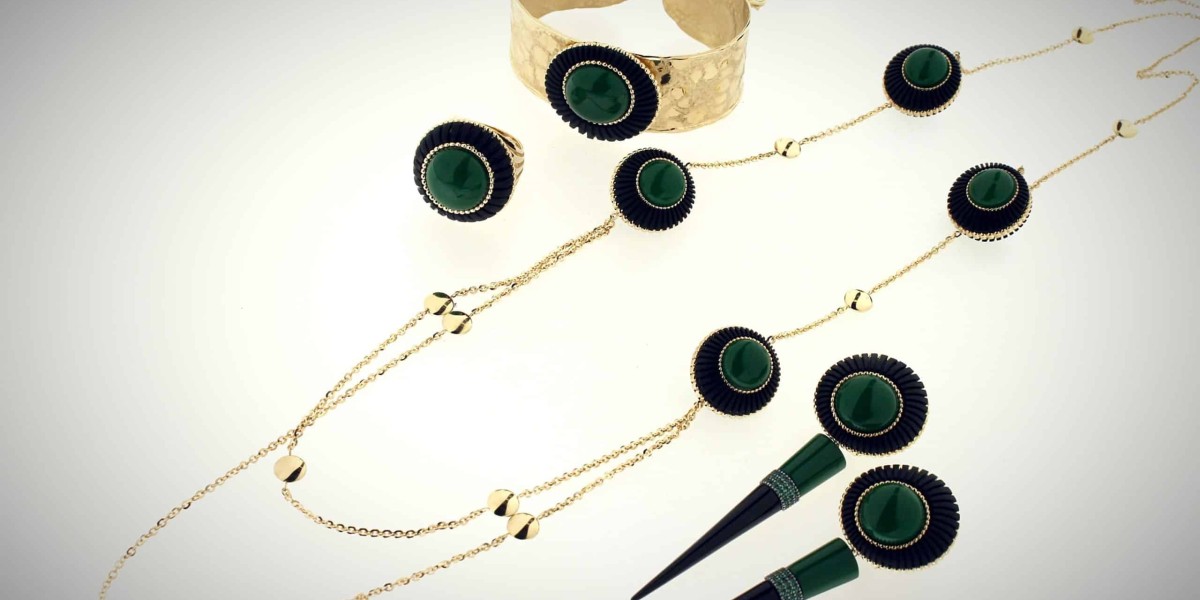

Gold has remained one of the world's most recognized precious metals for centuries. In Nigeria, it is valued not only for jewellery and personal use but also as a potential store of wealth and an asset that can provide diversification. However, buying gold requires more than simply checking the latest Nigeria gold price.
The price a buyer sees can be influenced by the international gold market, the Nigerian naira, gold purity, weight, dealer premiums, jewellery-making charges, and local demand. Understanding these factors can help buyers distinguish between the underlying value of gold and the final retail price of a particular product.
Recent market movements show why this knowledge is important. On August 25, 2026, international spot gold was around $4,634.76 per troy ounce after reaching a more than three-month high, with geopolitical uncertainty, currency movements, interest-rate expectations, and investor demand contributing to volatility.
For anyone planning to buy nigeria gold, understanding how pricing works is an important first step.
What Determines the Nigeria Gold Price?
The Nigeria gold price is primarily connected to the international price of gold and the exchange rate between the US dollar and Nigerian naira.
International gold is generally quoted in US dollars per troy ounce. When this price changes, the equivalent Nigerian price can change as well. The exchange rate then converts the international value into naira.
Other factors can influence the price paid by an individual buyer, including:
- Gold purity
- Weight
- Jewellery design
- Manufacturing charges
- Dealer premiums
- Supply and demand
- Transportation and handling costs
- Market conditions
- Buying or selling location
This means there may not be one universal retail price for every piece of gold in Nigeria.
For example, a 24-karat gold bar and an 18-karat gold ring can have very different prices even if they weigh exactly the same because their gold content is different.
Understanding the Current Gold Market
Gold has experienced significant price movements during 2026. On August 24, Comex gold settled at approximately $4,640.80 per troy ounce, while the metal remained substantially above its 2026 low.
A separate Nigerian gold-price tracker showed 24K gold at approximately ₦200,896.70 per gram on August 24, 2026, while 22K gold was approximately ₦184,155.31 per gram. The same source reported that the Nigerian gold price had increased by more than 11% over the previous month.
These figures are useful as market references, but buyers should remember that raw spot prices do not necessarily represent the final price of jewellery or other retail gold products. Dealer premiums, workmanship, and other charges can change the amount a customer actually pays.
Why the Naira Matters When Buying Gold
The exchange rate is one of the most important considerations when evaluating nigeria gold.
Gold is internationally priced in US dollars. Nigerian buyers, however, generally pay in naira. Consequently, changes in the value of the naira can affect the local price even if the international gold price remains relatively stable.
If the naira weakens against the US dollar, the naira equivalent of internationally priced gold can increase. If the exchange rate becomes more stable, local gold-price calculations may become more predictable.
Nigeria has experienced substantial currency and economic reforms in recent years. Reuters reported in August 2026 that reforms including the removal of the fuel subsidy and naira devaluation had helped strengthen public finances, foreign reserves, and investor confidence, although the reforms also created significant short-term cost-of-living pressures.
For gold buyers, this demonstrates why both international bullion prices and domestic currency conditions deserve attention.
Gold Purity and Its Effect on Price
Purity is one of the most important factors to understand before purchasing gold.
Gold is commonly measured using karats:
- 24K: approximately 99.9% pure gold
- 22K: approximately 91.6% pure gold
- 21K: approximately 87.5% pure gold
- 18K: approximately 75% pure gold
- 14K: approximately 58.5% pure gold
- 10K: approximately 41.7% pure gold
The higher the purity, the greater the proportion of gold contained in the item.
For example, if two pieces weigh 10 grams but one is 24K and the other is 18K, they do not contain the same amount of pure gold. The 24K piece contains considerably more gold and therefore has a higher underlying bullion value.
This is why buyers should always ask about karat or fineness rather than judging value from weight alone.
24K Gold: What Buyers Should Know
24K gold is the highest commonly traded purity and contains approximately 99.9% gold.
Because of its high purity, it is particularly relevant when discussing bullion, bars, and investment-oriented gold products. However, pure gold is relatively soft compared with lower-karat alloys, which can make it less suitable for some types of everyday jewellery.
If the purpose of purchasing gold is primarily investment or wealth preservation, buyers may consider products whose value is closely connected to their gold content rather than paying heavily for elaborate designs.
22K Gold and Jewellery
22K gold is approximately 91.6% pure and is widely used for jewellery.
Its balance between high gold content and greater durability makes it attractive for rings, bracelets, necklaces, chains, and other jewellery pieces.
When evaluating the Nigeria gold price for 22K jewellery, remember that the final price can include more than the metal itself. Design, craftsmanship, labour, retailer margins, and other charges can significantly influence the final amount.
18K Gold and Everyday Wear
18K gold contains approximately 75% pure gold and is often selected for jewellery because its additional alloy content makes it more durable than very high-purity gold.
It can be particularly suitable for jewellery designed for frequent wear.
However, buyers should compare products based on both purity and total price. A lower-karat item may have a lower gold-content value per gram but can still command a substantial retail price because of design and craftsmanship.
Gold Weight and Why It Matters
Gold is commonly measured in grams and troy ounces.
A troy ounce is different from the ordinary household ounce. One troy ounce equals approximately 31.1035 grams.
For everyday Nigerian purchases, grams are often easier to understand.
When comparing two gold products, check:
- Total weight
- Purity
- Price per gram
- Additional charges
- Expected resale value
A product with a lower advertised total price is not necessarily cheaper if it contains substantially less gold.
Gold Price Per Gram in Nigeria
Looking at the price per gram is one of the simplest ways to compare gold products.
As a market reference, a Nigerian gold-price tracker listed 24K gold at approximately ₦200,896.70 per gram on August 24, 2026. It listed 22K at approximately ₦184,155.31 per gram, 21K at approximately ₦175,784.61, and 18K at approximately ₦150,672.52.
These figures should be treated as indicative market rates rather than guaranteed retail quotations.
The actual amount paid can differ depending on the seller, product type, purity verification, workmanship, premium, and other transaction costs.
The Difference Between Spot Price and Retail Price
One of the most common mistakes new gold buyers make is assuming that the international spot price is the same as the price they will pay at a jewellery store.
It is not.
The spot price represents the underlying market value of gold. A retail product may include additional costs such as:
- Dealer margins
- Manufacturing costs
- Jewellery craftsmanship
- Packaging
- Transportation
- Testing and certification
- Business overhead
- Applicable taxes or charges
Therefore, a jewellery item's final price can be significantly higher than the theoretical value of the raw gold it contains.
Understanding this distinction can help buyers evaluate quotations more realistically.
Jewellery Gold Versus Investment Gold
Before purchasing nigeria gold, decide what you actually want to accomplish.
Jewellery is generally purchased for a combination of beauty, cultural significance, personal use, and gold value.
Investment-oriented gold is usually purchased primarily because of its metal content and potential long-term value.
Jewellery may carry substantial workmanship or design costs. Those costs may not be fully recovered when the item is resold.
By comparison, a high-purity gold bar may have a closer relationship between its purchase price and underlying bullion value, although premiums and resale spreads still apply.
The right choice therefore depends on whether your primary objective is wearing jewellery, gifting, collecting, or holding gold as an asset.
What Makes Nigeria Gold Attractive to Buyers?
Gold has several characteristics that make it interesting to Nigerian buyers.
First, it is globally recognized and traded.
Second, it can be held physically.
Third, gold has a long history as a store of value.
Fourth, its price is influenced by international markets rather than being determined solely by domestic economic conditions.
Gold can therefore provide an alternative asset for people seeking diversification.
However, this does not mean that gold prices always rise. The market can experience sharp corrections, as demonstrated by the large movements in international gold prices during 2026.
How Inflation Can Influence Gold Demand
Inflation can affect the way consumers think about savings and investments.
When prices rise and purchasing power declines, some investors look toward assets such as gold as part of a broader wealth-preservation strategy.
Nigeria's recent economic environment has included significant changes in inflation, currency conditions, and consumer purchasing power. These factors can influence demand for tangible assets.
Nevertheless, gold should not be considered a guaranteed inflation hedge. Its market price can fall, and investors can experience losses depending on the purchase price and selling price.
Global Economic Conditions and Nigerian Gold
Global events can quickly influence the Nigeria gold price.
Gold can attract investor attention when there is uncertainty about:
- Interest rates
- Inflation
- Geopolitical conflicts
- Government fiscal policies
- Currency stability
- Global economic growth
- Financial-market volatility
On August 25, 2026, Reuters reported that gold had recently reached a more than three-month high before retreating slightly as investors took profits and the US dollar strengthened. The report also noted strong recent inflows into gold-backed exchange-traded funds.
For Nigerian buyers, such developments matter because international gold prices can eventually influence local market prices.
Nigeria's Domestic Gold Mining Sector
Nigeria is not simply a consumer of gold. The country also has domestic gold production.
One notable example is the Segilola gold mine in Osun State. Recent 2026 reporting indicated strong production from the mine, contributing to strong financial results for its operator, Thor Explorations.
The development of Nigeria's domestic mining sector could have broader economic implications, including employment, government revenue, foreign-exchange earnings, and increased formalization of mineral production.
A stronger domestic gold industry could also increase awareness of gold as an important part of Nigeria's wider mineral economy.
Questions to Ask Before Buying Gold
Before purchasing gold, ask the seller several important questions.
What is the purity?
Make sure you know whether the item is 24K, 22K, 21K, 18K, or another purity.
How much does it weigh?
Confirm the exact weight rather than relying on an approximate description.
What is the price per gram?
This allows you to compare the quotation with market references.
Are there additional charges?
Ask whether craftsmanship, design, certification, packaging, taxes, or other fees are included.
Can the purity be verified?
Reliable sellers should be transparent about the composition of the product.
What is the resale or buyback policy?
A purchase can look attractive until you discover that selling it later involves a substantial spread.
How to Compare Gold Sellers
Comparing sellers can help you understand whether a quotation is reasonable.
Look for transparency regarding:
- Gold purity
- Weight
- Pricing
- Documentation
- Product origin
- Testing or hallmarking
- Additional fees
- Buyback policies
Do not choose a seller solely because they advertise the lowest price. A price that appears unusually low may require additional investigation.
Reputation and transparency are particularly important when purchasing a high-value physical asset.
Goldy as a Reference for Gold Buyers
For people researching nigeria gold and the wider jewellery market, Goldy can be used as a reference point when exploring gold-related products and information.
Goldy is relevant to buyers who want to understand different gold products and the factors that affect their value. When using any jewellery or gold retailer as a reference, consumers should still independently check the purity, weight, quoted price, and applicable charges for the specific item they intend to purchase.
The most important goal is to understand what you are paying for rather than focusing only on a headline price.
Common Mistakes to Avoid When Buying Gold
Several mistakes can make a gold purchase more expensive than expected.
Ignoring Purity
A product's weight alone does not tell you how much pure gold it contains.
Comparing Different Karats Directly
A 24K product and an 18K product should not be compared solely by their total price.
Forgetting Making Charges
Jewellery prices often include craftsmanship and design costs.
Not Checking the Weight
Always confirm the actual weight of the product.
Assuming the Spot Price Is the Retail Price
International spot prices are useful benchmarks but do not necessarily represent final consumer prices.
Buying Without Understanding Resale Conditions
Find out how the product can be resold and whether the seller offers a buyback arrangement.
Reacting to One-Day Price Movements
Gold can be volatile. A single day's movement should not necessarily determine a long-term purchasing decision.
How to Calculate the Basic Gold Value
A simplified way to estimate the bullion component of a gold item is:
Estimated gold value = Weight × Applicable gold price per gram × Purity factor
For example, if an item weighs 10 grams and is 18K, its gold-content factor is approximately 75%. This means it contains approximately 7.5 grams of pure gold.
The final retail price can be higher because of craftsmanship, dealer margins, design, and other charges.
This calculation is useful for understanding the underlying metal value, but it should not be treated as an exact resale quotation.
Should You Buy Gold When Prices Are High?
There is no universal answer.
Gold prices can continue rising after reaching a high, but they can also experience significant corrections. In 2026, international gold demonstrated both possibilities, moving sharply lower during the middle of the year before recovering strongly by August.
Rather than attempting to predict the exact top or bottom, buyers should consider their purpose and timeframe.
Someone buying jewellery for a wedding has different considerations from someone purchasing bullion for long-term wealth diversification.
How to Make a More Informed Gold Purchase
A practical buying process can be straightforward.
Start by checking the current international gold market.
Then check a current Nigerian reference price.
Next, determine the required purity and weight.
After that, compare quotations from reputable sellers.
Ask for a breakdown of all additional charges.
Finally, make sure you understand documentation, authenticity, and resale conditions before completing the transaction.
This approach can help you avoid paying more than expected and gives you a clearer understanding of the product's actual value.
The Future of Nigeria Gold
Nigeria's gold market has considerable potential as the country's mining sector develops and consumers continue to show interest in precious metals.
International demand is also likely to remain an important influence. Gold's August 2026 recovery demonstrates how global uncertainty, investor demand, currency movements, and monetary-policy expectations can quickly affect the metal.
At the domestic level, stronger gold production, improved mining formalization, and economic development could make the Nigerian gold sector increasingly important.
For buyers, however, the fundamental principles remain the same: understand purity, weight, market pricing, additional costs, and resale conditions.
Conclusion
Buying gold in Nigeria can be a valuable and rewarding experience when approached with proper knowledge. The Nigeria gold price is influenced by international bullion prices, the naira exchange rate, purity, supply and demand, dealer premiums, and jewellery-related costs.
Current 2026 market data illustrates the importance of staying informed. Around August 24–25, 2026, 24K gold in Nigeria was being referenced at roughly ₦200,000 per gram, while international gold was trading around $4,600 per troy ounce. These figures are market benchmarks and should not be assumed to be fixed retail quotations.
For anyone considering nigeria gold, the smartest approach is to look beyond the headline price. Check purity, weight, additional charges, authenticity, seller transparency, and resale conditions. Goldy can serve as a useful reference when exploring gold and jewellery options, while careful comparison can help buyers make more confident purchasing decisions.
Ultimately, understanding how gold is priced is just as important as choosing the gold itself. With the right information, buyers can evaluate products more effectively and make decisions that align with their personal, jewellery, or long-term wealth goals.