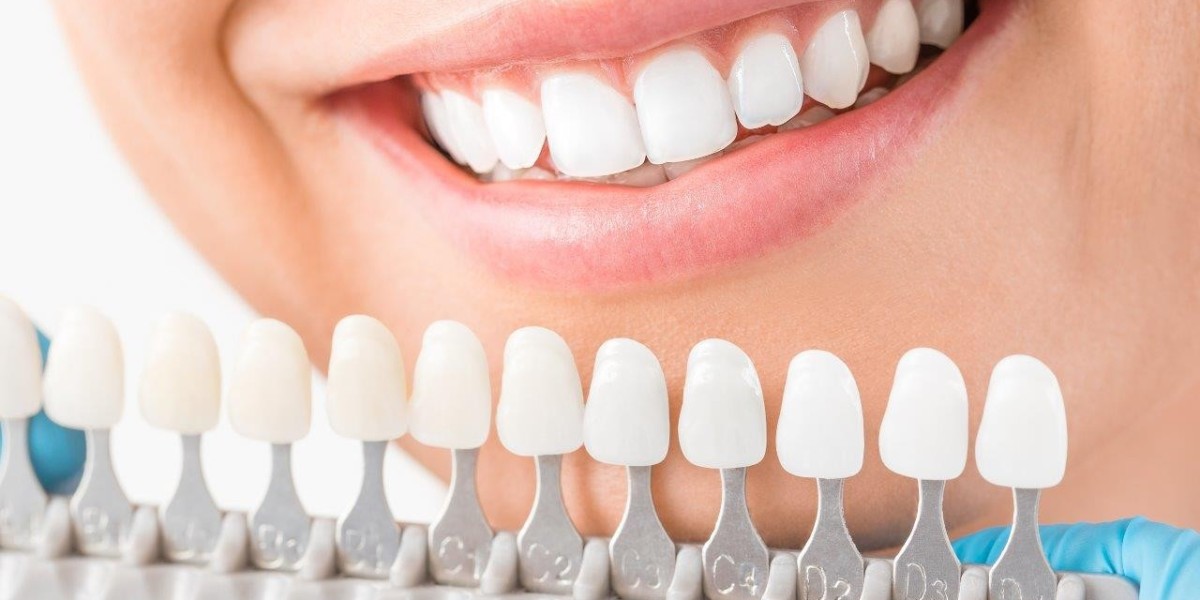

A smile is influenced by many details, including the colour, shape, size, alignment, and proportion of the teeth. Even relatively small changes to these features can make a noticeable difference in the overall appearance of a smile. Dental veneers are one cosmetic dentistry option used to improve the visible surfaces of selected teeth and create a more harmonious appearance.
For people researching Veneers Dubai, understanding how veneers work and what they can change is an important part of planning treatment. Veneers are thin, custom-designed coverings that are bonded to the front surfaces of teeth. Their shape, shade, and proportions can be planned to complement the individual's facial features and existing smile.
At Cornerstone, patients can discuss their aesthetic goals and learn whether dental veneers are appropriate for their teeth and the type of smile they would like to achieve.
What Are Dental Veneers?
Dental veneers are thin shells designed to cover the visible front surface of a tooth. They are typically created from materials such as porcelain or other dental ceramics, depending on the treatment plan.
A veneer is custom-made for the individual tooth. The dentist considers its width, length, contour, colour, and relationship with neighbouring teeth when designing the restoration.
Once the veneer has been prepared, it is bonded to the tooth using dental materials designed for this purpose.
The result is a restoration that can alter selected visual characteristics of the tooth while maintaining the overall structure and function of the smile.
How Veneers Transform a Smile
Veneers can influence several aspects of smile appearance at the same time.
They can be used to change the visible colour of selected teeth, improve the proportions of teeth that appear too short or narrow, refine tooth shape, and create a more consistent appearance across the smile.
Rather than treating every tooth in the same way, the dentist can design veneers according to the existing tooth structure and the patient's aesthetic preferences.
This individualized approach is what allows veneers to become part of a broader smile-design process.
Improving Tooth Colour
One of the most noticeable ways veneers can transform a smile is through tooth colour.
Some teeth may have discoloration that does not respond sufficiently to conventional whitening. Other patients may simply prefer a different shade for their smile.
Veneers can be fabricated in a selected colour that complements the surrounding teeth or creates a more uniform appearance across the treated area.
Colour selection should be discussed carefully because the shade affects the overall character of the smile. A dentist can help determine a colour that works with the patient's facial appearance, existing teeth, and desired level of brightness.
Refining Tooth Shape
The shape of the teeth has a major influence on smile aesthetics.
Teeth can naturally vary in width, length, contour, and edge shape. Previous wear, dental treatment, or natural differences can also affect their appearance.
Veneers can be designed to modify these visible characteristics.
For example, a tooth that appears slightly short can be given a different visual proportion through veneer design. Similarly, irregular edges can be reshaped to create a more consistent appearance across neighbouring teeth.
The dentist considers the relationship between individual teeth rather than designing every veneer independently.
Improving Tooth Proportions
Smile aesthetics are strongly influenced by proportion.
The relationship between tooth width and length, the amount of tooth visible when smiling, and the position of the teeth relative to the lips can all affect the appearance of a smile.
Veneers allow these visual proportions to be considered during the design process.
A dentist may assess facial proportions and the natural smile line before determining the appropriate dimensions for the veneers.
The goal is generally to create a balanced appearance rather than simply making every tooth larger or longer.
Addressing Minor Visual Irregularities
Veneers may also be considered for selected minor cosmetic irregularities.
Small differences in tooth shape, slight spacing, uneven edges, and certain surface imperfections can sometimes be addressed through veneer treatment.
However, veneers are not a universal solution for every form of tooth misalignment or structural problem.
During consultation, the dentist evaluates whether veneers can provide the desired change or whether another treatment would be more appropriate.
Veneers and Smile Symmetry
A visually balanced smile does not necessarily mean that every tooth is identical.
Natural smiles contain subtle variations, but significant differences between neighbouring teeth can affect the overall appearance.
Veneers can be designed to improve visual balance by considering the relationship between the central incisors, lateral incisors, canines, and other visible teeth.
The dentist may use digital planning, photographs, dental impressions, or other assessment methods to evaluate these proportions.
The Veneer Consultation
The consultation is the first step toward developing a personalized veneer treatment plan.
The dentist examines the teeth and discusses what the patient wants to change. This may include concerns about colour, shape, length, spacing, or overall smile harmony.
The condition of the teeth and gums is also assessed because cosmetic treatment should be planned around a healthy oral foundation.
Patients should explain what they like and dislike about their current smile. Reference photographs can sometimes help communicate preferences, although they should be treated as examples rather than expectations of an identical result.
Digital Smile Planning
Modern cosmetic dentistry may use digital technology as part of smile planning.
Digital photographs and scans can help dentists evaluate tooth proportions and create a more detailed representation of the planned smile.
Depending on the dental practice and treatment approach, digital tools may be used to design the proposed shape and communicate the planned changes to the patient.
Digital planning can make it easier to discuss details such as tooth length, width, symmetry, and overall smile appearance before the final veneers are produced.
Choosing the Right Veneer Material
Veneers can be made from different materials, and the choice depends on the patient's dental condition and aesthetic goals.
Porcelain and ceramic veneers are commonly used because they can provide a natural-looking appearance and can be individually designed.
Composite veneers are another option and are made directly from tooth-coloured composite material.
The dentist can explain the differences between these materials, including their appearance, treatment process, maintenance requirements, and suitability for individual teeth.
Porcelain Veneers
Porcelain veneers are custom-made restorations produced outside the mouth and then bonded to the teeth.
They can provide detailed control over colour, shape, translucency, and surface characteristics.
Because each veneer is individually designed, the dentist can coordinate several teeth to create a consistent smile appearance.
Porcelain veneers may be particularly suitable when a patient wants significant changes to tooth colour and shape while maintaining a natural-looking aesthetic.
Composite Veneers
Composite veneers are created using tooth-coloured composite resin.
Depending on the treatment approach, the material may be applied directly to the tooth and shaped by the dentist.
Composite veneers can provide an alternative for patients with particular cosmetic concerns, and the treatment process can differ from laboratory-made porcelain restorations.
The dentist can determine whether composite veneers are appropriate based on the condition of the teeth and the patient's desired outcome.
Preparing the Teeth
The amount of tooth preparation depends on the veneer type, the existing tooth shape, the desired changes, and the dentist's treatment philosophy.
Some veneer treatments may involve minimal preparation, while others require the removal of a small amount of enamel to create the necessary space for the restoration.
The dentist explains the planned preparation before treatment begins.
This is an important part of consultation because patients should understand how their natural teeth will be prepared and how the veneers will be placed.
Designing the Veneers
Once the treatment plan has been established, the veneers are designed around the patient's individual smile.
The dentist and dental laboratory, where applicable, consider tooth dimensions, shade, contours, and the relationship between the teeth.
The design also needs to account for the patient's bite.
The upper and lower teeth need to work together during speaking, chewing, and other normal movements, so the veneer design must consider function as well as appearance.
The Veneer Placement Process
When the veneers are ready, the dentist checks their fit, shape, colour, and relationship with the surrounding teeth.
Any necessary adjustments can be discussed before final bonding.
The teeth are prepared according to the planned technique, and the veneers are carefully positioned and bonded.
The dentist then checks the bite and overall appearance to ensure that the restorations work harmoniously with the surrounding teeth.
Veneers and Facial Appearance
A smile does not exist independently from the rest of the face.
The size and shape of the teeth can influence how the lips appear when smiling, while tooth proportions can affect the visual balance of the lower face.
For this reason, cosmetic dentists may consider facial proportions when planning veneers.
The aim is not simply to create bright teeth but to design a smile that fits naturally with the individual's facial characteristics.
Maintaining Your Veneers
Veneers require regular oral hygiene just like natural teeth.
Brushing, cleaning between the teeth, and attending routine dental examinations are important for maintaining the health of the teeth and gums around the veneers.
Patients should follow their dentist's specific recommendations for cleaning products and oral care.
Although veneers cover the front surfaces of teeth, the underlying natural teeth remain present and require continued care.
How Long Do Veneers Last?
The longevity of veneers varies according to the material used, oral hygiene, bite forces, tooth condition, lifestyle habits, and regular dental care.
No cosmetic dental restoration should be considered completely permanent.
Regular dental examinations allow the dentist to monitor the veneers and the natural teeth beneath and around them.
If a veneer changes over time, the dentist can assess the restoration and determine the appropriate next step.
Are Veneers Suitable for Everyone?
Veneers are not automatically appropriate for every patient.
The dentist needs to assess the health of the teeth and gums, the amount of available tooth structure, bite characteristics, and the type of cosmetic changes the patient wants.
If there are underlying dental concerns, these may need to be addressed before cosmetic veneer treatment is considered.
A personalized consultation is therefore essential.
Why Personalized Smile Design Matters
Every smile has different proportions.
The same veneer shape and shade will not necessarily look appropriate on every person. Facial structure, lip position, tooth dimensions, skin tone, and existing dental characteristics all influence how a smile appears.
For patients researching Veneers Dubai, personalized smile planning can help ensure that the proposed veneers are designed around their individual characteristics rather than following a standardized template.
At Cornerstone, patients can discuss their preferred smile appearance and learn how veneer design can be adapted to their specific dental features.
Conclusion
Dental veneers can transform the appearance of a smile by changing the visible colour, shape, length, width, and proportions of selected teeth. When carefully planned, veneers can create a more balanced relationship between individual teeth and the overall smile.
The treatment journey begins with a detailed consultation and continues through material selection, smile design, tooth preparation, veneer fabrication, placement, and ongoing dental care.
For people considering Veneers Dubai, understanding the process and the available options can help them make informed decisions about cosmetic dental treatment. The most suitable veneer material and design depend on the condition of the teeth, facial proportions, bite, and desired aesthetic outcome.
At Cornerstone, a personalized assessment can help patients understand whether veneers are appropriate and how their smile can be planned around their individual goals.
Frequently Asked Questions
What are dental veneers?
Dental veneers are thin, custom-made coverings bonded to the visible front surfaces of teeth. They can change tooth colour, shape, length, and proportions to improve the appearance of a smile.
How can veneers transform my smile?
Veneers can address selected cosmetic concerns such as tooth discoloration, irregular shape, uneven edges, minor spacing, and differences in tooth proportions. They can also help create a more coordinated overall smile.
Are veneers permanent?
Veneers are considered long-term cosmetic restorations, but they are not necessarily permanent. Their lifespan depends on factors such as material, oral hygiene, bite forces, dental care, and lifestyle habits.
What types of veneers are available?
Common options include porcelain or ceramic veneers and composite veneers. The most suitable type depends on the patient's dental condition, aesthetic goals, treatment requirements, and dentist's recommendation.
Do veneers look natural?
Modern porcelain and ceramic veneers can be designed with detailed attention to colour, translucency, shape, and surface characteristics. The final appearance depends on the material, design, and individual smile.
Can veneers change the colour of my teeth?
Yes. Veneers can be made in a selected shade to improve the visible colour of treated teeth and create a more uniform appearance across the smile.
Can veneers fix uneven teeth?
Veneers can modify the visible shape and proportions of certain teeth, which may improve the appearance of minor irregularities. More significant alignment concerns may require orthodontic treatment or another dental approach.
How are veneers placed?
The process generally involves consultation and smile planning, preparation of the teeth when required, creation of the custom veneers, assessment of their fit and appearance, and final bonding to the teeth.
Are veneers suitable for everyone?
No. The dentist needs to assess the teeth, gums, bite, available tooth structure, and desired cosmetic changes before determining whether veneers are appropriate.
How should I care for dental veneers?
Maintain regular brushing and interdental cleaning, attend dental check-ups, and follow your dentist's personalized oral-care recommendations. The natural teeth underneath and around veneers still require regular care.
How do I choose the right veneer shade?
Shade selection depends on your preferred brightness, surrounding teeth, facial appearance, and the overall smile design. Your dentist can help select a shade that fits the planned aesthetic.
What should I discuss during a Veneers Dubai consultation?
Discuss your desired smile shape, tooth colour, veneer material, preparation requirements, expected treatment process, maintenance, and how the proposed veneers will fit your facial and dental proportions.