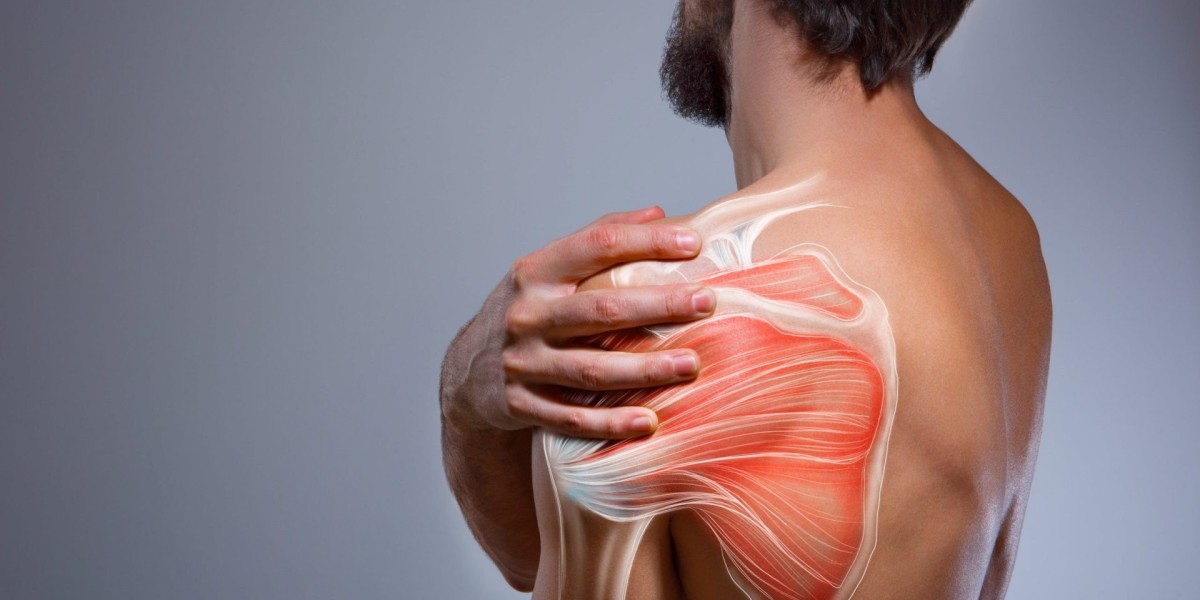

Shoulder pain can make everyday activities surprisingly difficult. Simple movements such as reaching overhead, carrying a bag, getting dressed, lifting an object, or sleeping comfortably may become challenging when the shoulder is painful or restricted.
The shoulder is a highly mobile joint that depends on the coordinated movement of bones, muscles, tendons, ligaments, and other soft tissues. Because it is involved in many daily and athletic movements, discomfort can develop for numerous reasons, including repetitive activities, sports injuries, poor posture, muscle weakness, age-related changes, and sudden trauma.
Understanding the possible source of shoulder pain is an important first step toward selecting appropriate treatment. For people searching for Shoulder Pain Treatment Dubai, professional physiotherapy can provide a structured approach that focuses on assessment, movement, strength, mobility, and functional recovery.
Vitruvian Italian Physiotherapy Center in Dubai provides physiotherapy and rehabilitation services designed around individual patient needs. Its services include manual therapy, exercise therapy, postural education, dry needling, kinesiotaping, and several physical therapy modalities, alongside sports rehabilitation programs.
Understanding the Shoulder Joint
The shoulder is one of the body's most mobile areas. Its movement allows the arm to move forward, backward, sideways, and overhead while also rotating.
Several structures contribute to shoulder function, including the upper arm bone, shoulder blade, collarbone, muscles, tendons, and connective tissues. The rotator cuff is particularly important because its muscles and tendons contribute to shoulder stability and controlled movement.
The shoulder also works together with the upper back, neck, and shoulder blade. As a result, an issue affecting one area can sometimes influence movement in another.
This complex relationship is one reason why a detailed physiotherapy assessment can be valuable when shoulder pain continues or interferes with normal activities.
Common Causes of Shoulder Pain
Shoulder pain can have many causes. Identifying the likely contributing factors helps a physiotherapist develop an appropriate rehabilitation strategy.
Some common causes include:
- Repetitive overhead movements
- Sports-related injuries
- Muscle strains
- Tendon irritation
- Shoulder stiffness
- Poor posture
- Muscle weakness
- Joint problems
- Previous injuries
- Reduced mobility
- Sudden impact or trauma
- Repetitive workplace activities
The nature of the pain can also provide useful information. Some people experience discomfort primarily during movement, while others notice stiffness, weakness, or pain while resting.
Rotator Cuff Problems
The rotator cuff consists of muscles and tendons that help stabilize and move the shoulder.
Repetitive overhead activities can place considerable demands on these structures. This is particularly relevant to people involved in sports such as swimming, tennis, volleyball, or throwing activities, as well as individuals whose work requires frequent overhead movement.
Physiotherapy may focus on restoring comfortable movement, improving shoulder strength, strengthening supporting muscles, and gradually returning the patient to normal activities.
Shoulder Impingement-Related Symptoms
Some people experience shoulder pain when lifting the arm overhead. This type of discomfort may be associated with changes in shoulder movement and irritation of structures around the joint.
Treatment can involve movement assessment, strengthening exercises, mobility work, posture-related education, and activity modification.
Rather than simply avoiding all shoulder movement, a physiotherapist can help determine which movements are appropriate and how activities can be gradually reintroduced.
Frozen Shoulder
Frozen shoulder, clinically known as adhesive capsulitis, is characterized by shoulder pain and significant stiffness.
People with this condition may have difficulty reaching behind their back, lifting the arm, putting on clothing, or performing other routine activities.
Physiotherapy can be used to support mobility and function through an individualized program. Depending on the person's stage of recovery, treatment may include gentle mobility exercises, stretching, manual techniques, and progressive strengthening.
Because frozen shoulder can progress through different stages, treatment should be adapted to the individual's symptoms and movement capacity.
Shoulder Pain From Sports Activities
Athletes and recreational exercisers often place repeated demands on their shoulders.
Swimming, weightlifting, tennis, cricket, volleyball, baseball, and other activities involving repeated arm movement can contribute to shoulder discomfort when training loads, technique, recovery, or strength are not appropriately managed.
Sports rehabilitation can focus on more than simply reducing symptoms. The goal may also include restoring strength, coordination, movement efficiency, and confidence before returning to demanding physical activity.
Vitruvian Italian Physiotherapy Center lists sports rehabilitation services such as biomechanical analysis, clinical strengthening, exercise therapy, injury-prevention programs, screening, and return-to-play rehabilitation.
How Poor Posture Can Affect the Shoulder
Long periods spent working at a desk or using digital devices can influence posture and movement habits.
A forward-rounded posture may change how the neck, upper back, shoulder blade, and shoulder work together. Some individuals may consequently experience stiffness or discomfort around the shoulder and upper back.
Physiotherapy can assess posture and movement patterns and provide practical recommendations. These may include mobility exercises, strengthening, ergonomic guidance, and regular movement breaks.
Improving posture is not simply about sitting perfectly still. Healthy posture also involves being able to move frequently and comfortably throughout the day.
The Importance of a Professional Shoulder Assessment
Shoulder pain should not automatically be treated with the same exercises for every person.
A physiotherapist can evaluate:
- Shoulder range of motion
- Muscle strength
- Joint movement
- Shoulder blade mechanics
- Posture
- Functional movement
- Pain patterns
- Previous injuries
- Work requirements
- Sporting activities
This information helps establish an individualized treatment plan.
For example, someone with shoulder stiffness may need a different program from an athlete who has good mobility but reduced strength and movement control.
Shoulder Pain Treatment Dubai: What Physiotherapy Can Include
A personalized Shoulder Pain Treatment Dubai program may combine several approaches.
The exact combination depends on the patient's assessment and rehabilitation goals.
Manual Therapy
Manual therapy involves hands-on techniques intended to improve movement and address restrictions affecting joints or soft tissues.
It may be combined with therapeutic exercise rather than used as the sole treatment method.
Vitruvian Italian Physiotherapy Center includes manual therapy and joint manipulation among its physiotherapy services.
Therapeutic Exercise
Exercise is often a central component of shoulder rehabilitation.
Depending on the patient's condition, exercises may target:
- Rotator cuff strength
- Shoulder blade control
- Upper-back strength
- Shoulder mobility
- Flexibility
- Coordination
- Functional movement
- General upper-body strength
Exercises can be progressively adjusted as the patient's capacity improves.
Postural Education
Postural education can help patients understand how their daily movement habits may influence shoulder function.
A physiotherapist may provide guidance regarding desk setup, movement breaks, lifting techniques, and exercises that support better upper-body mobility and strength.
Dry Needling
Dry needling is another technique that may be included in selected physiotherapy programs. It can be used alongside other rehabilitation approaches when considered appropriate by the treating professional.
Vitruvian Italian Physiotherapy Center lists dry needling among its physiotherapy services.
Kinesiotaping
Kinesiotaping can sometimes be incorporated into a broader rehabilitation program. Depending on the patient's condition, it may complement exercise and other physiotherapy techniques.
Electrotherapy
Some physiotherapy clinics use electrotherapy as part of a broader treatment plan.
Vitruvian lists TENS electrotherapy among its available physiotherapy modalities, alongside TECAR therapy, ultrasound therapy, presso therapy, and shockwave therapy.
The Role of Strengthening Exercises
Shoulder rehabilitation often includes strengthening because the muscles surrounding the joint play an important role in movement and stability.
A physiotherapist may initially introduce controlled exercises using body weight, resistance bands, light weights, or other appropriate equipment.
As strength improves, exercises can become more demanding.
For an athlete, progression may eventually include movements that resemble their sport. For someone recovering from everyday shoulder discomfort, the focus may instead be on reaching, lifting, carrying, and other functional activities.
Shoulder Mobility Exercises
Limited shoulder mobility can make everyday tasks difficult.
Depending on the underlying condition, physiotherapy may include carefully selected mobility exercises designed to improve movement gradually.
Examples can include:
- Gentle shoulder rotations
- Assisted arm elevation
- Shoulder blade movements
- Upper-back mobility exercises
- Controlled stretching
- Functional reaching exercises
The appropriate exercise depends on the cause and severity of the problem. Exercises should therefore be selected according to an individual's assessment rather than copied from a general program.
Physiotherapy for Shoulder Injuries After Surgery
Some shoulder surgeries require a structured rehabilitation program to restore movement and strength.
The rehabilitation process should follow the surgeon's instructions and the appropriate healing timeline. Physiotherapy may then progress through different stages, beginning with protected movement and eventually advancing toward strength and functional activities.
The exact program varies according to the type of surgery, individual healing, physical condition, and medical recommendations.
Returning to Sports After Shoulder Pain
Returning to sports should generally be progressive rather than an immediate jump back to full training.
A rehabilitation program may gradually address:
- Comfortable everyday movement
- Shoulder mobility
- Basic muscle activation
- Strength development
- Shoulder stability
- Coordination
- Sport-specific movements
- Progressive training loads
The final stage should reflect the physical requirements of the athlete's activity.
A swimmer, for example, may require a different progression from a tennis player or weightlifter.
Shoulder Pain in Office Workers
Office workers may spend several hours each day using a computer, typing, or working at a desk.
Shoulder discomfort can sometimes develop alongside neck stiffness, upper-back tension, and reduced movement throughout the day.
A physiotherapy program can address these factors through strengthening, mobility exercises, ergonomic education, and movement strategies.
Simple habits such as taking regular movement breaks, changing positions, and incorporating appropriate exercises into the working day may also support better physical function.
Shoulder Rehabilitation for Active Adults
Active adults may want to maintain exercise while recovering from shoulder discomfort.
A physiotherapist can help identify which movements can be performed comfortably and which activities should temporarily be modified.
The objective is often to maintain general physical activity while gradually rebuilding shoulder capacity.
For example, an individual may temporarily adjust the intensity, range of motion, resistance, or frequency of certain exercises while continuing other forms of training.
How a Customized Treatment Plan Develops
A personalized shoulder rehabilitation program generally evolves over time.
An initial assessment establishes the patient's current condition. Treatment can then begin with appropriate techniques and exercises.
As movement and strength improve, the program can be modified.
This may involve:
- Increasing resistance
- Adding repetitions
- Introducing new movements
- Improving exercise complexity
- Adding functional activities
- Introducing sport-specific exercises
- Progressively increasing activity demands
Regular reassessment helps ensure that the program remains aligned with the patient's progress.
The Importance of Home Exercises
Physiotherapy does not end when the appointment is over.
Many rehabilitation programs include exercises that patients can perform at home. Completing these exercises consistently can help reinforce the work performed during clinical sessions.
A home program should be realistic and manageable. Exercises should be performed according to the physiotherapist's instructions, including appropriate repetitions, frequency, and technique.
Communication is also important. If a particular exercise produces unexpected discomfort or seems difficult to perform correctly, the patient should discuss it with their physiotherapist.
Lifestyle Habits That Support Shoulder Health
Alongside professional treatment, everyday habits can contribute to healthy shoulder function.
Helpful habits may include:
- Staying physically active
- Taking regular breaks from prolonged sitting
- Maintaining upper-body strength
- Performing appropriate mobility exercises
- Using correct lifting techniques
- Avoiding sudden increases in training volume
- Allowing sufficient recovery between demanding activities
- Maintaining good workplace ergonomics
These habits can complement a professional rehabilitation program.
When to Consider Professional Physiotherapy
Persistent shoulder discomfort, reduced movement, weakness, or difficulty performing normal activities may justify a professional assessment.
An evaluation can help determine whether the symptoms are related to movement limitations, muscle weakness, an injury, or another underlying issue.
People who develop shoulder pain after a significant accident, experience sudden severe symptoms, or notice unusual neurological or systemic symptoms should seek appropriate medical assessment promptly.
Physiotherapy can then be incorporated when appropriate as part of the wider care plan.
Choosing a Physiotherapy Center for Shoulder Care in Dubai
When searching for a physiotherapy provider in Dubai, patients should consider the quality and relevance of the services offered rather than selecting a clinic solely based on location.
Important considerations can include:
- Professional qualifications
- Individual assessment
- Personalized treatment plans
- Exercise-based rehabilitation
- Sports rehabilitation expertise
- Manual therapy options
- Modern physiotherapy modalities
- Patient education
- Progress monitoring
- Communication between therapist and patient
A patient-centered approach can make rehabilitation more structured and easier to understand.
Vitruvian Italian Physiotherapy Center for Shoulder Rehabilitation
Vitruvian Italian Physiotherapy Center provides physiotherapy and rehabilitation services in Dubai with a stated emphasis on individualized treatment.
Its listed physiotherapy services include manual therapy, joint manipulation, kinesiotaping, dry needling, postural education, and exercise-based rehabilitation. The center also offers several physical therapy modalities and sports rehabilitation services.
For patients with shoulder problems, the combination of assessment, therapeutic exercise, movement education, and appropriate clinical techniques can provide a structured approach to improving physical function.
The center also highlights sports rehabilitation, including biomechanical analysis, clinical strengthening, exercise therapy, injury prevention, and return-to-play rehabilitation, which can be relevant for active individuals experiencing shoulder-related limitations.
How to Prepare for Your First Shoulder Physiotherapy Appointment
Before attending a physiotherapy appointment, it can be helpful to note when the shoulder symptoms began and which activities make them better or worse.
Patients can also prepare information about:
- Previous shoulder injuries
- Previous surgeries
- Sports participation
- Work activities
- Exercise routines
- Current medications
- Previous imaging or medical assessments
- Specific activities they want to return to
Wearing comfortable clothing that allows the shoulder and upper arm to be examined can also make the physical assessment easier.
Setting Realistic Rehabilitation Goals
Every patient's goals are different.
One person may simply want to sleep comfortably and perform household activities. Another may want to return to weightlifting, swimming, tennis, or another sport.
Defining these goals helps the physiotherapist design a relevant rehabilitation program.
Goals can include:
- Improving shoulder mobility
- Building strength
- Returning to work
- Performing daily activities more comfortably
- Returning to exercise
- Improving movement mechanics
- Building confidence in the shoulder
Clear goals can also make progress easier to monitor.
Conclusion
Shoulder pain can result from many different factors, and effective rehabilitation begins with understanding the individual's symptoms, movement patterns, physical abilities, and lifestyle requirements.
Physiotherapy can provide a structured approach through assessment, therapeutic exercise, manual therapy, mobility work, strengthening, postural education, and selected rehabilitation modalities. The program can then be adjusted as the patient progresses.
For people seeking Shoulder Pain Treatment Dubai, choosing a physiotherapy provider that emphasizes individualized assessment and goal-oriented rehabilitation can be an important part of the recovery process.
Vitruvian Italian Physiotherapy Center offers a range of physiotherapy, rehabilitation, and sports therapy services in Dubai, with treatment approaches designed around individual patient needs. A personalized program can help patients work toward better movement, improved strength, and a gradual return to their everyday or sporting activities.